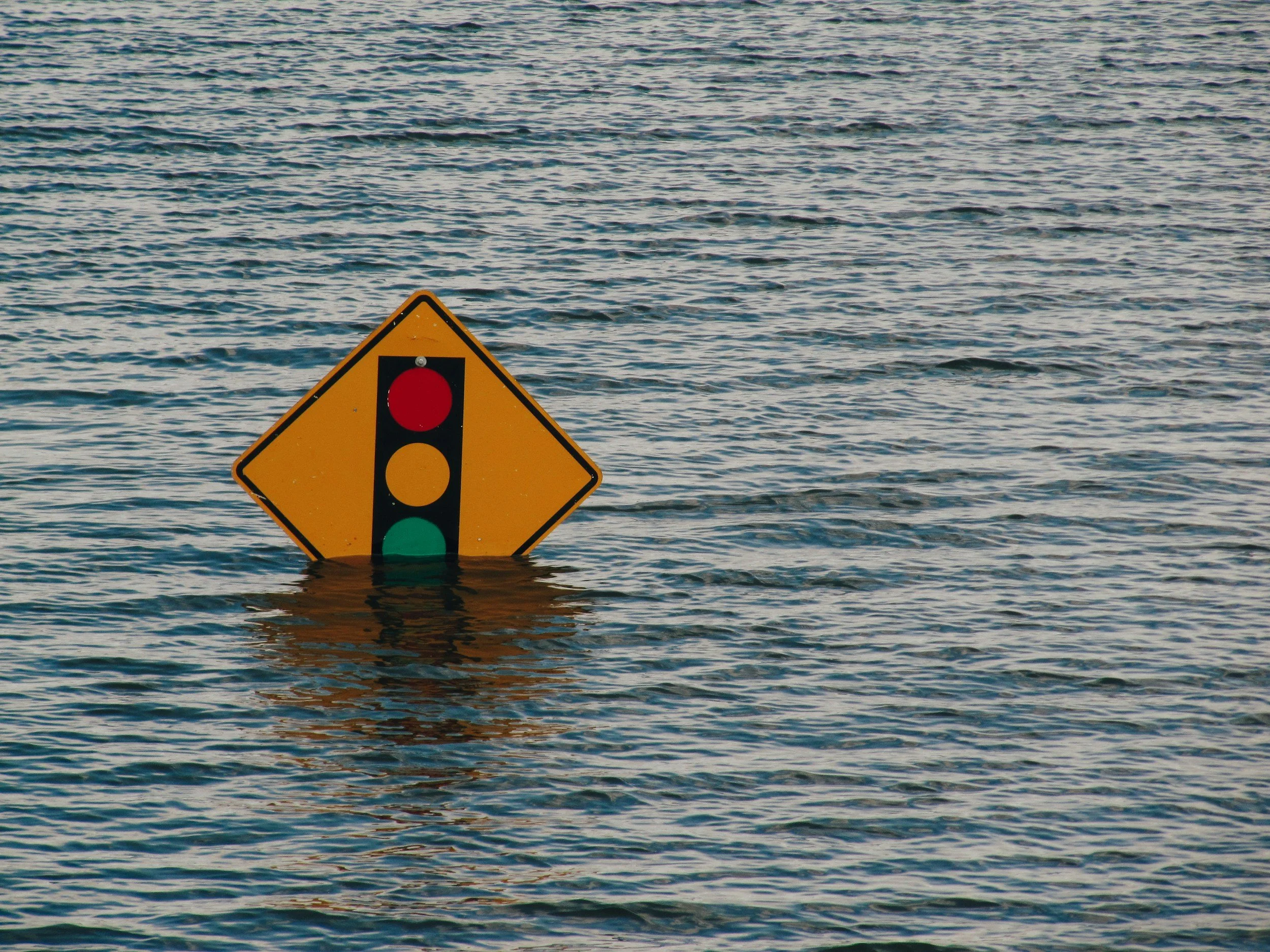
Flood Cleanup Guidance
Based on guidance from the U.S. Environmental Protection Agency (EPA) and Centers for Disease Control and Prevention (CDC).
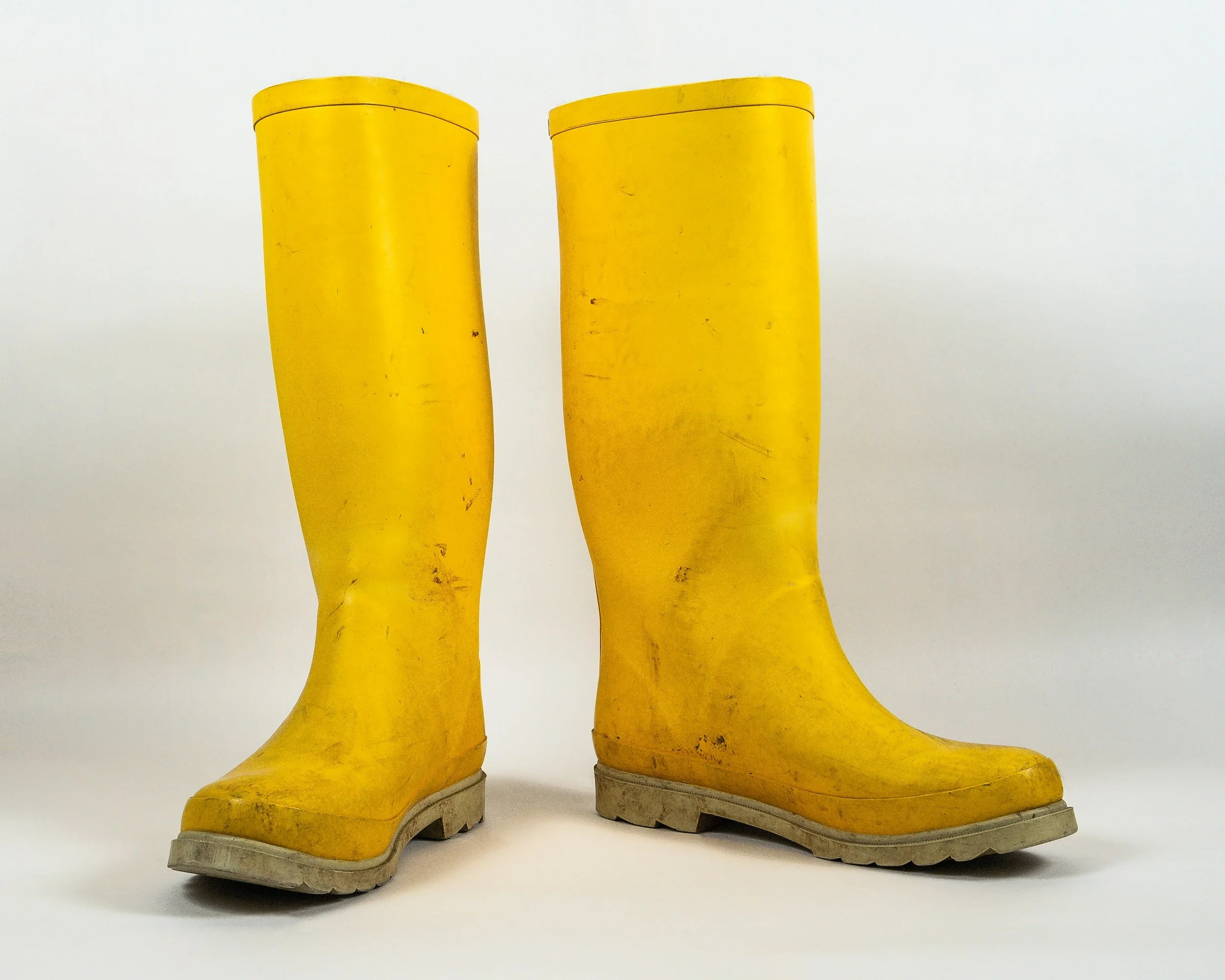
Wear protective gear: Use rubber gloves, waterproof boots, and eye protection when cleaning areas affected by floodwater or sewage.
Remove contaminated water and debris: Safely remove mud, sewage, and debris. Discard food and porous items, such as carpeting or mattresses, that cannot be properly cleaned.
Important: Keep children and pets away from contaminated areas during cleanup. Follow local drinking water advisories, and do not use potentially contaminated water for drinking or food preparation.
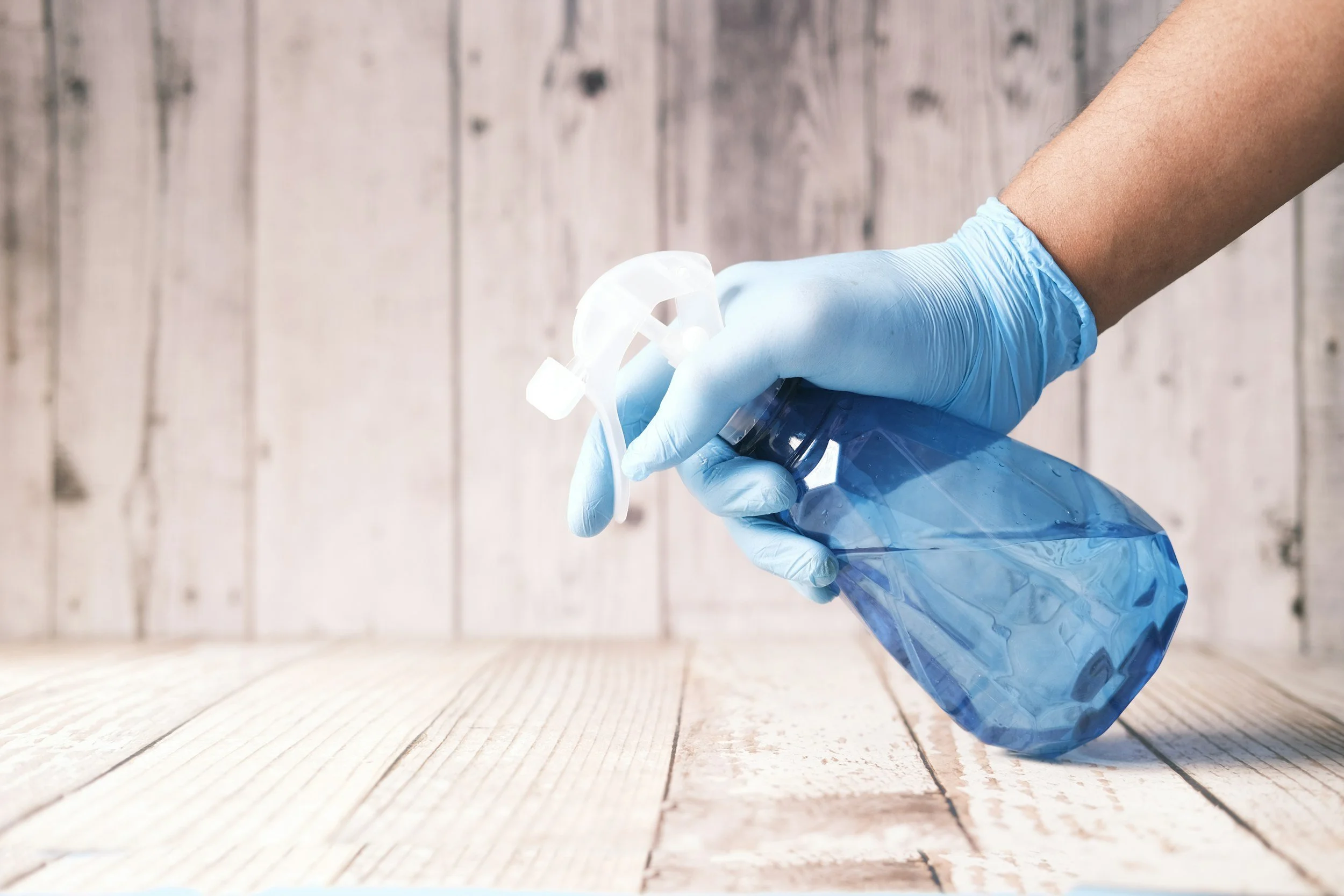
Clean surfaces: Scrub floors, walls, counters, and other hard surfaces with clean water and household soap or detergent.
Disinfect hard surfaces: After cleaning, use an appropriate disinfectant according to its label. Household bleach may be used on compatible surfaces when properly diluted.
Never mix bleach with ammonia, vinegar, toilet bowl cleaners, rubbing alcohol, or other cleaning products. Mixing these products can produce toxic gases and hazardous fumes that can cause serious breathing problems, eye irritation, and other health effects.
Dry thoroughly: Open windows and doors when safe, and dry affected areas as quickly as possible to help prevent mold growth.
Before reopening: Businesses with significant sewage contamination should ensure affected areas and equipment are properly cleaned and safe for use. Food businesses should follow applicable public health requirements.
Official resources:
EPA: Flooded Homes Cleanup Guidance
CDC: Cleaning Safely After a Disaster