E. coli Monitoring Along the San Juan River
Summary of E. coli Monitoring on November 4, 2026
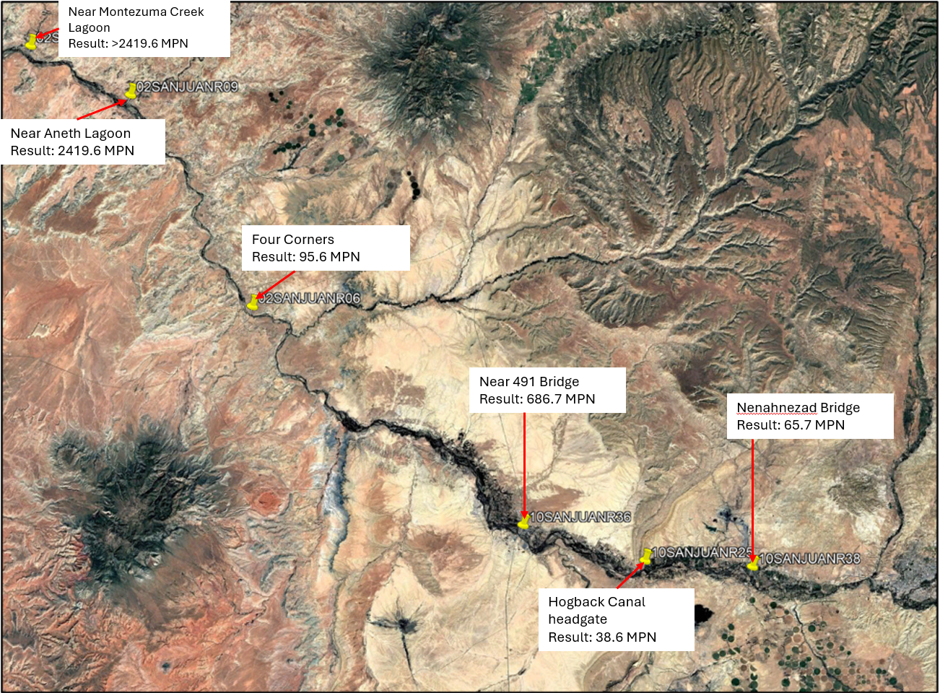
The following samples were collected at or near established Navajo EPA Water Quality/NPDES Program surface water quality monitoring locations. Five of the six sites were inaccessible due to closed bridges, high water levels, washed out roads, etc. Please click here for a printable copy of this report.
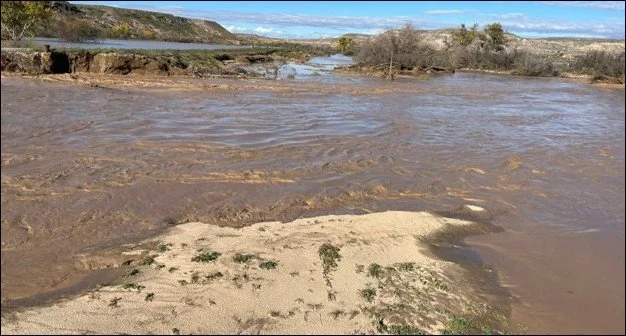
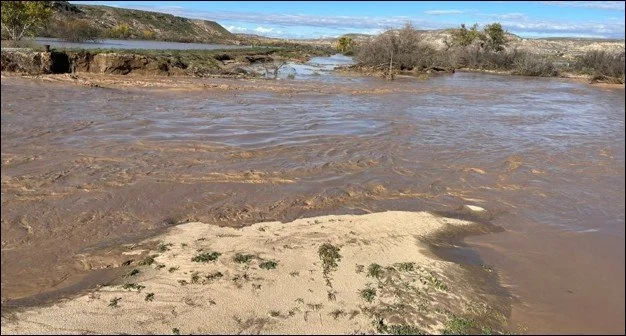
02SANJUANR07 collected at 10:00. The site was moved ½ mile downstream from the bridge to the new side channel of the San Juan River that runs along the southeast side of the first sewer lagoon in Montezuma Creek, UT. This channel was created during the flooding on October 25, 2026.
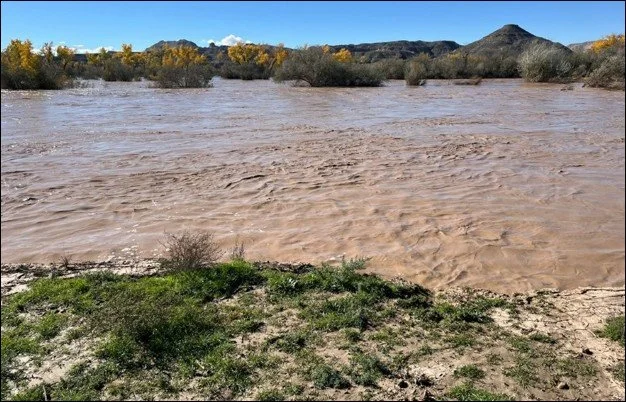
02SANJUANR09 collected at 10:30. The site was moved about 75 yards upstream from the original location next to the Aneth, UT, sewer lagoons due to access concerns.
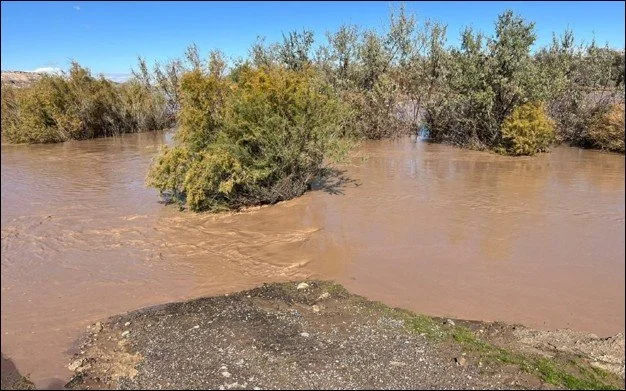
02SANJUANR06 collected at 11:30. The site was moved downstream 1.6 miles to the Four Corners bridge due to a washed out road.
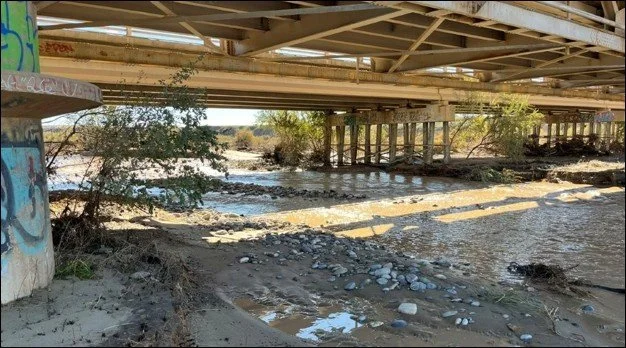
10SANJUANR36 collected at 12:20. The site was moved ~200 yards east to a new side channel of the San Juan River due to the road being washed out and filled with mud.
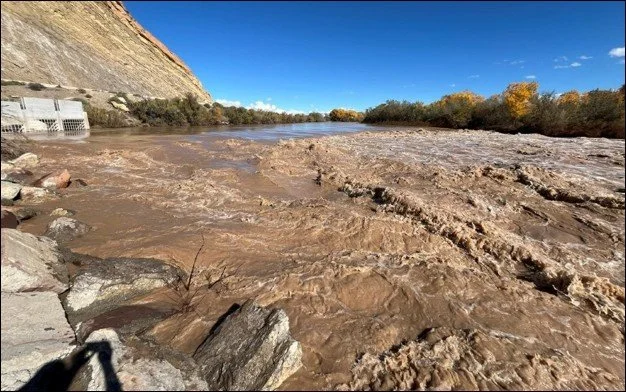
10SANJUANR25 collected at 13:10. Site had to be reached from the highway due to blocked access along the canal road.
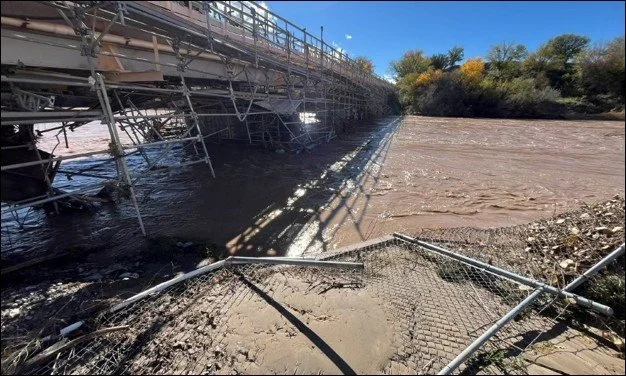
10SANJUANR38 collected at 13:40. Site was moved ~0.4 mile upstream because the bridge was closed.
The E. coli results can vary from one location to another because bacteria levels are affected by local conditions, nearby wastewater sources, runoff, and changes in river flow. Although the Shiprock WWTP has stabilized and is no longer releasing wastewater, the flooding may have left behind contamination in certain areas. Aneth and Montezuma Creek had the highest results, which could be influenced by nearby lagoon areas and the impacts of flooding, including possible wastewater releases or erosion. However, we have not confirmed whether those lagoons are still experiencing leaks. It is also important to understand that E. coli levels naturally fluctuate and can change from day to day depending on weather, water flow, and surrounding conditions. One sampling event only gives us a picture of water quality at that particular time.